
Designing a Brand with AI | A Personal Journey from Mentorship to Mastery
My journey in the design industry began eight years ago, and it’s been a rewarding path ever since. Along the way, I’ve been fortunate to learn from incredible mentors whose support, insights, and shared wisdom have helped shape the designer and leader I am today. I’ve taken part in projects that left a mark on major companies and had the honor of guiding others as a mentor myself, including professionals who have since become well-known names in the industry.
This story is not just about AI or tools — it’s about experience, leadership, and how creativity evolves when guided by strong foundations. It’s also about the process I followed to create a complete visual identity using AI, from the logo to the cover visuals, when launching a new project.
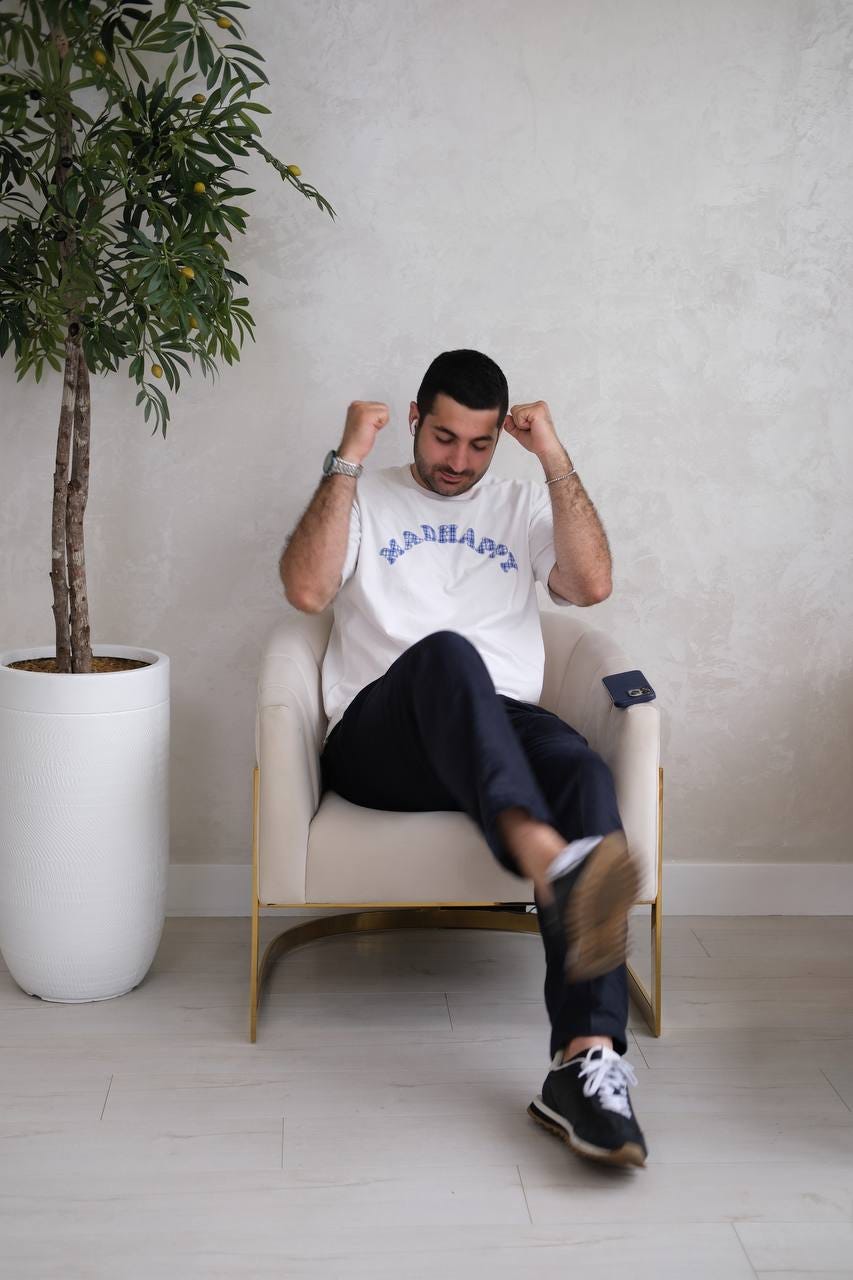
Where I Began When I first started working on a new publication, I knew it needed a strong brand identity. Despite having a strong background in design management, I wasn’t confident in illustration. That’s when I turned to AI tools. I wasn’t looking for shortcuts — I was looking for support in a new visual direction that still met the standards I’ve always followed in branding work.
The publication I created quickly began to gain recognition, reaching over 130,000 monthly visitors. While the content played a central role, the visuals helped define the first impression. And that’s something I take seriously.
Finding the Right Visual Language My first step was to define what the brand should communicate. I built a branding document to outline the tone, message, and values of the project. I treated it just as I would if I were working with a traditional design team.
From there, I used platforms like DALL-E and Midjourney, carefully selecting the tools that matched my visual goals. I created prompts that reflected the personality of the brand — clear, trustworthy, educational. For instance, when creating the logo, I wanted something minimal and clever. I didn’t want clichés or trends. I wanted meaning.
Testing, Editing, Refining AI gave me hundreds of starting points. But real design still needs a human touch. I chose images that had potential and then refined them with tools like Photoshop and Topaz. It was a mix of old and new: AI created the sketches, but I did the shaping, balancing, and final edits.
This wasn’t a “click and done” project. I kept testing, changing prompts, going back, moving forward. That patience came from years of leading teams and giving feedback. I approached AI the same way I’d guide a junior designer — ask questions, give direction, trust the process.
Leading with Creativity Throughout my career, I’ve led design panels, mentored designers, and managed complex visual campaigns. Each of these roles helped me understand the value of clear branding and strong design thinking. That experience gave me the confidence to approach AI not just as a novelty, but as a design partner.
For article illustrations, I used Midjourney to create bold, engaging images that matched each topic. I gave it direction using the visual language of known publications, rather than copying individuals’ styles. This approach felt both respectful and effective.
Final Thoughts from a Creative Leader: This project reminded me that tools are only part of the story. What matters is how we use them — what values we bring to the table. My work has always centered around clarity, teamwork, and creativity rooted in purpose. That’s what I applied to this AI branding process.
I hope this case study shows what’s possible when we combine leadership experience with modern technology. Whether mentoring rising designers or guiding visual strategies for large brands, my focus remains the same: design that works and communicates.
Aram Andreasyan
Industry Leader, Design Expert


